MARKET INTELLIGENCE · MUSKOKA WATERFRONT · SPRING 2026
Why Muskoka’s Ultra-Prime Waterfront Values Remain Resilient
As broader cottage markets recalibrate, the scarcest waterfront in Ontario holds its ground. Here is what the data reveals — and why the fundamentals have never been stronger.
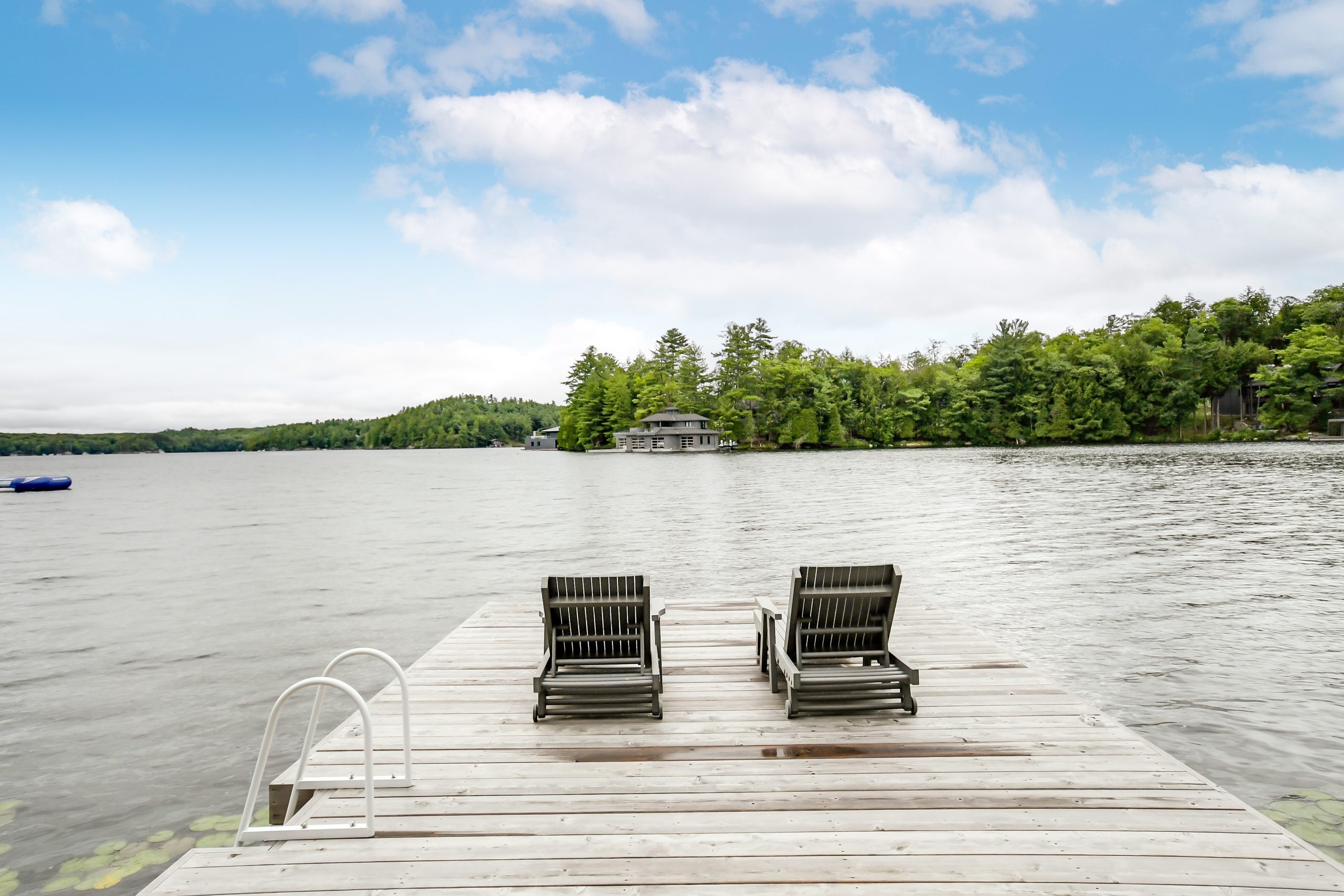
The Muskoka waterfront market has undergone a meaningful reset since 2022. The pandemic premium has fully corrected, inventory is rising, and buyers are negotiating with a confidence not seen since 2019. Yet one segment has remained strikingly insulated from the noise: ultra-prime waterfront on the Big Three lakes — Joseph, Rosseau, and Muskoka. For buyers and sellers operating in this tier, the story is not one of weakness. It is one of structural permanence.
A Market in Two Speeds
It would be a mistake to read Muskoka’s broader 2025 corrections as a signal about its most coveted waterfront. Total MLS dollar volume for Muskoka waterfront declined approximately 11.5% year over year in 2025 — a normalization that followed several years of compressed timelines and accelerated pricing. But that headline figure masks a more nuanced reality. The mid-market corrected. The ultra-prime did not.
2025 was, in fact, a record-setting year at the very top of the market. Lakes Rosseau and Joseph alone recorded 5 ultra-luxury transactions above the $10 million threshold on MLS, however 10+ more transactions that never appeared on MLS that traded quietly, between principals, through a network of relationships that operates entirely outside the conventional listing environment. This is not a market in retreat. This is a market becoming more exclusive.
The Case for Structural Permanence
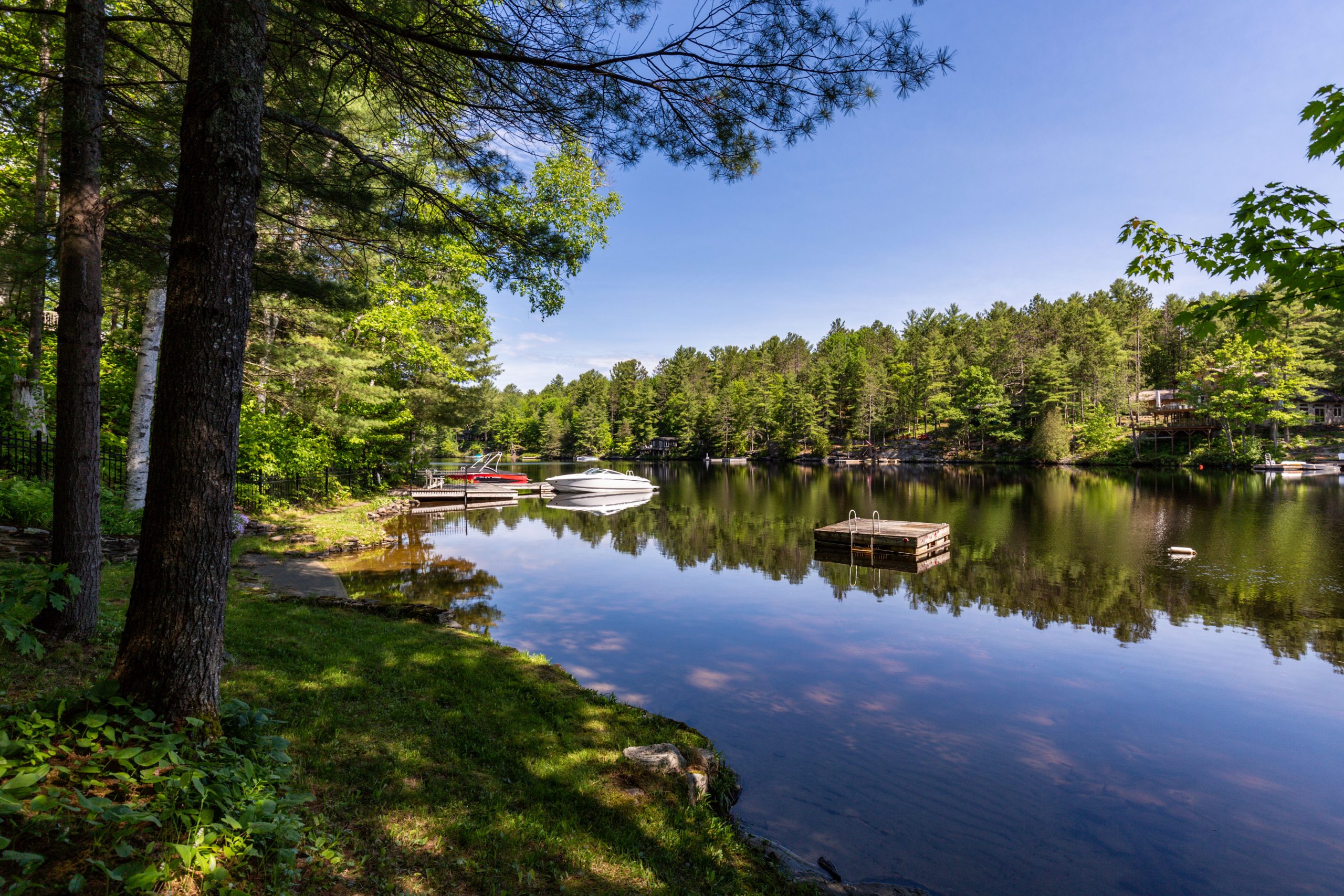
What separates ultra-prime Muskoka from virtually every other recreational market in Canada is the nature of the asset itself. The shoreline on Lakes Muskoka, Joseph and Rosseau is finite, legally constrained, and generationally held. Many of the most coveted properties have been owned by the same families for decades. When they do trade, they are not routine listings — they are once-in-a-generation events. That scarcity creates a pricing floor that does not exist in markets where supply can respond to demand.
Strict development controls reinforce this dynamic. The regulatory environment governing new construction and shoreline alteration in the District of Muskoka is among the most protective in Ontario. Obtaining permits for new boathouses, dock expansions, or significant shoreline modifications involves lengthy timelines and meaningful constraints. This is not a headwind for owners — it is the mechanism that preserves the exclusivity upon which values depend. New supply cannot be created. Existing premium properties are therefore not just homes or cottages; they are increasingly rare artifacts.
Cash Transactions and the Rate-Insulated Buyer
One of the most important structural features of the ultra-prime tier is its near-complete insulation from interest rate movements. Transactions above the $5 million threshold are overwhelmingly cash-based. The buyer profile — typically a C-suite executive, institutional family office, or second-generation wealth inheritor — is not subject to borrowing constraints. Their purchase decisions are lifestyle-driven and intergenerational, calibrated over decades rather than quarters.
The Bank of Canada held its policy rate at 2.25% entering 2026, signalling the end of the aggressive rate-cutting cycle that characterized 2023 and 2024. For mid-market buyers, this matters considerably. For the buyer acquiring a $15 million estate on Lake Joseph, it is largely irrelevant. What matters to that buyer is privacy, water quality, build quality, solar orientation, land configuration, and the irreversibility of the opportunity — elements that cannot be manufactured or replicated regardless of the rate environment.
The Great Wealth Transfer Arrives
Layered on top of existing structural demand is a generational capital event now under way. An estimated $1 trillion in wealth is being transferred from Baby Boomers to younger generations in 2026 alone. In the recreational waterfront market, this manifests in two distinct ways: families passing down both capital and a deep-rooted desire to continue their Muskoka legacy, and a fresh cohort of millennial executives and wealth inheritors entering the market for the first time. This is not a speculative demand story. It is a demographic inevitability.
The pipeline of qualified buyers for premium Muskoka waterfront extends well beyond the current cycle. Those who understand the market recognize that the current window of relative balance — more inventory, longer days-on-market, genuine negotiating room — will not remain open indefinitely. When the next wave of demand consolidates, the properties that benefit most will be those defined by irreplaceable attributes.
The “Hamptons of the North” Comes of Age
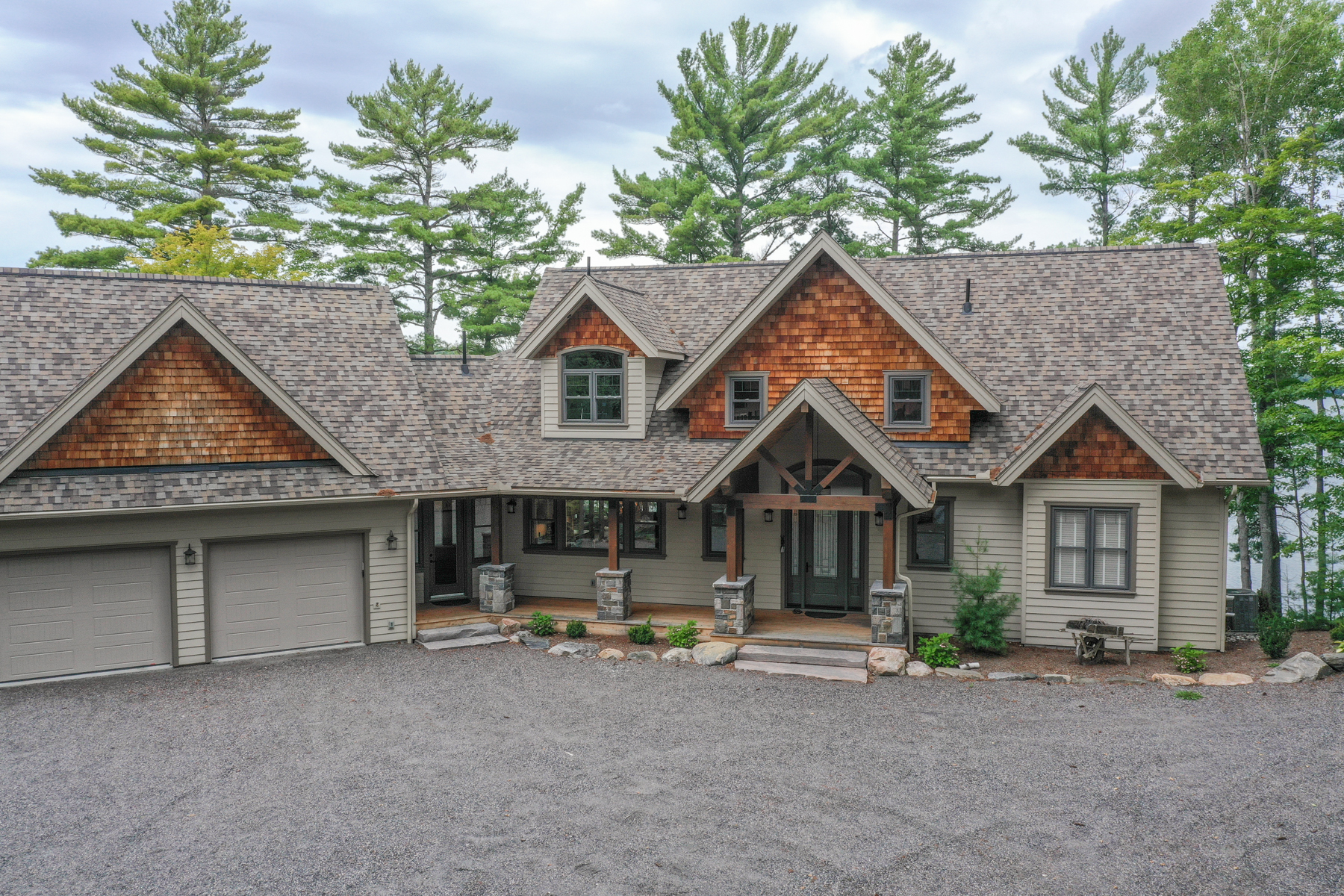
For years, the comparison between Muskoka and the Hamptons was aspirational shorthand. In 2026, it is an operating reality. High-net-worth buyers are increasingly treating their Muskoka waterfront estates not as seasonal retreats but as primary or co-primary residences — driving demand for high-speed fiber internet, advanced security systems, and four-season infrastructure. A market once organized around summer occupancy is evolving into a year-round luxury residential ecosystem.
This repositioning carries long-term valuation implications. As the property type transitions from cottage to estate, the comparable set broadens. Ultra-prime Muskoka waterfront is increasingly measured against international luxury waterfront destinations. On those terms, Muskoka remains strikingly undervalued relative to its equivalents in the United States, Europe, or Asia-Pacific.
Replacement Cost: The Argument That Closes
Perhaps the single most compelling argument for value resilience in 2026 is what it costs to build. High-end construction across the region is currently priced at $500 to $1500 per square foot for luxury builds — and that figure does not include land, permitting, shoreline work, or boathouse construction. New-build permitting timelines continue to lengthen each year, and construction starts for high-end projects are at decade lows. Against this backdrop, acquiring a finished, permitted, turnkey estate represents not just convenience but genuine economic advantage. The gap between replacement cost and current market value has narrowed considerably for premium properties — and for some, has flipped entirely.
What This Means Right Now
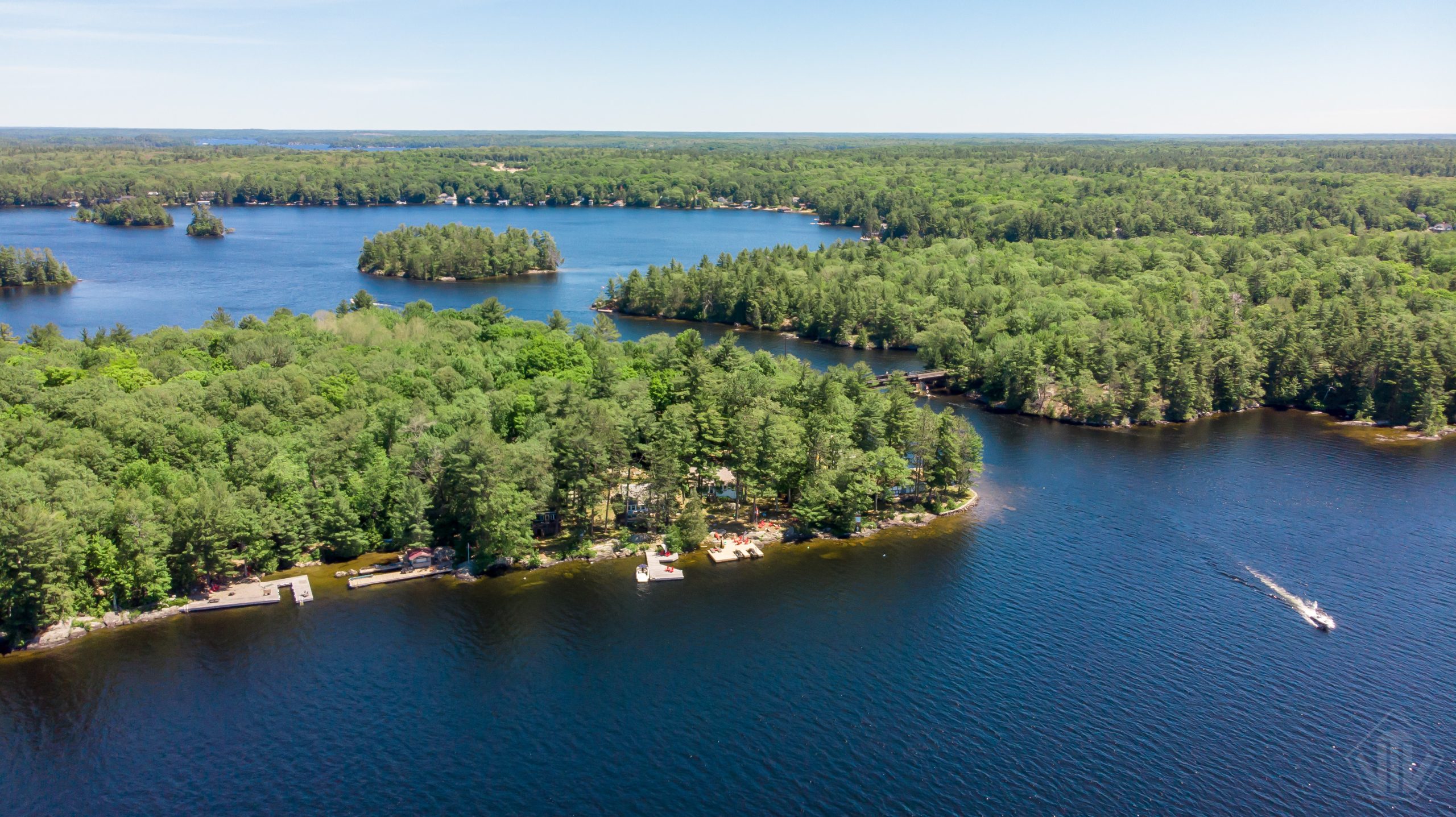
Inventory on Lake Muskoka, Lake Rosseau and Lake Joseph will continue to be tight. Less than 1% has traded annually on MLS in the last 5 years and we forecast this year will be no different. The waterbodies to the south of Muskoka will trade similarly, while Lake of Bays, Huntsville and Georgian Bay are likely to have more increased inventory due to their proximity from the city. With the sale price to list price ratio sitting near 94% across the Big Three lakes, it provides meaningful negotiating room on properties that are not genuinely irreplaceable. For buyers, this is the most balanced entry point in five years. For sellers of ultra-prime assets, the fundamentals that underpin value at the top tier — finite supply, unrepeatable construction rights, generational buyer demand, and insulation from rate cycles — remain firmly intact.
As more buyers discover what the data reveals, the arbitrage opportunity narrows. The market has normalized. The underlying value proposition has not.